Case study
Turning a real cat into a storytelling character — Moxley
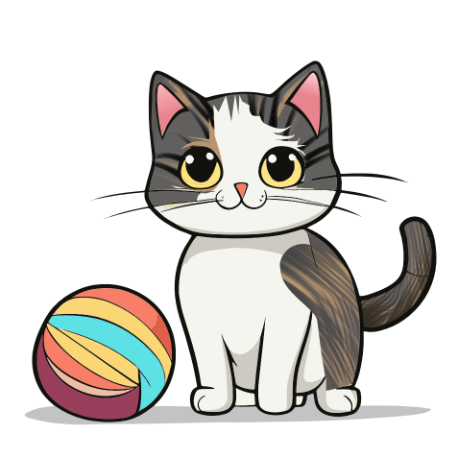
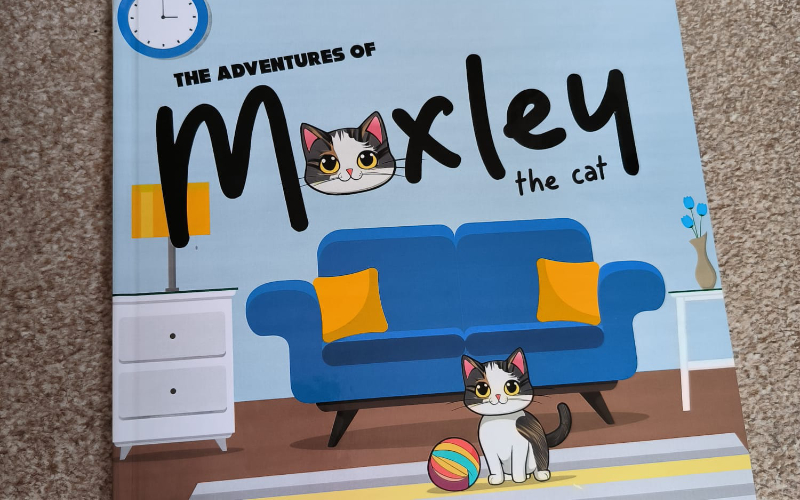
A children’s book project based on a real cat, focused on building a simple, engaging character and visual world that could support storytelling for young audiences and grow into a broader character-led identity.
Overview
A children’s book concept built around a simple, engaging character
Overview
Moxley the Cat began as a children’s book idea inspired by a real cat. The aim was to create a simple, engaging character that could connect with young audiences through visual storytelling and relatable behaviour.
As the project developed, it became more than a single book concept. It became an exercise in character design, visual consistency, storytelling, and building a flexible character world with the potential to grow into future books, products, content, or brand-led material.
Objective
The goal was to develop a character and visual style suitable for a children’s book — something clear, expressive, and easy to understand, while still having enough personality to support storytelling and repetition across pages.
This project connects closely to my character-led branding service, because it shows how a recognisable illustrated character can become the foundation for a wider visual world.
Process
Designing a character suitable for children’s storytelling
Character development
The process started with defining Moxley’s personality and how that would translate into a children’s story.
- Personality: Curious, playful, and slightly mischievous — traits that are easy for children to recognise.
- Audience: Young readers, with a focus on clarity, simplicity, and charm.
- Style: Clean, bold illustration with strong shapes to ensure readability at small sizes and across pages.
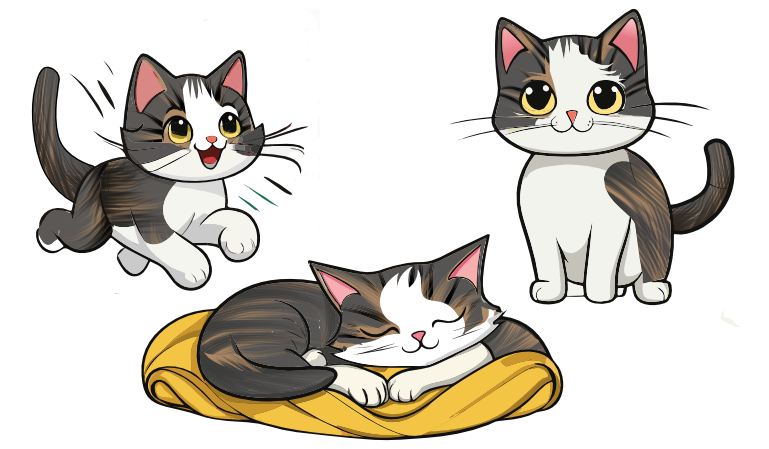
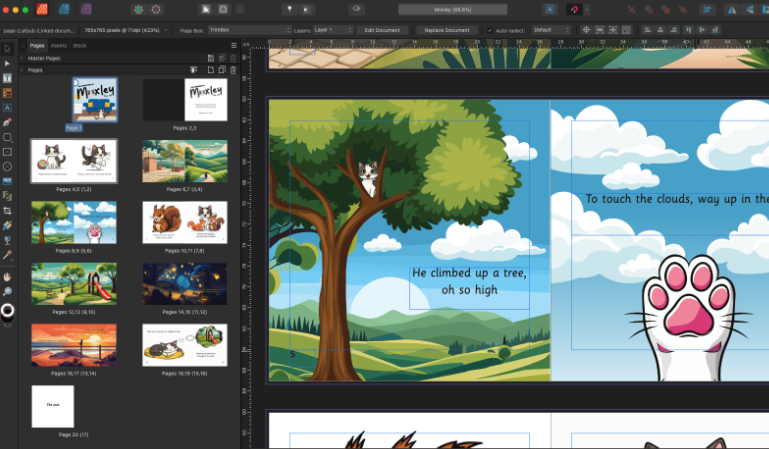
Illustration development
The character was developed through multiple iterations to refine its readability and appeal.
- Expressions: A range of simple expressions to communicate emotion clearly.
- Poses: Basic poses that could support storytelling across different scenes.
- Consistency: A repeatable style to ensure the character remains recognisable throughout a book.
Story application
The character was explored within simple narrative ideas to test how it would function in a children’s book format.
- Short story concepts based on everyday behaviour
- Simple illustrated scenes
- Visual pacing suitable for page-by-page storytelling

Challenges
- Balancing simplicity and personality: Keeping the design simple enough for children while still expressive required careful iteration.
- Clarity: Ensuring the character reads clearly at small sizes and in different contexts.
- Consistency: Maintaining a cohesive style across multiple illustrations.

Outcome
A children’s book concept that evolved into a broader character project
Outcome
Moxley the Cat developed into a clear and engaging children’s book concept, with a character that could support simple storytelling and visual consistency across pages.
As the project evolved, the character showed potential beyond a single book, opening up the possibility of expanding Moxley into a broader identity, storytelling world, and long-term character-led brand project.
Key takeaways
- Simplicity is critical: Children’s characters need to be clear and instantly readable.
- Personality drives engagement: Even simple designs need strong, recognisable traits.
- Scalability matters: A good character can evolve beyond its original purpose.
Moxley demonstrates how character illustration can support storytelling first, while still creating the foundations for a reusable visual identity with room to grow.
Let’s make it work
Want a character that actually carries your brand?
If you're building something that needs personality, storytelling, or a recognisable identity, this kind of work is exactly what the service is built for.